“Beyond Passwords: The Rise of Biometric Authentication”

Identity and access management (IAM) is a critical aspect of cybersecurity, as it involves ensuring that only authorized individuals have access to sensitive information and resources. As technology continues to advance, new methods and technologies are emerging that are expected to have a significant impact on the future of IAM.
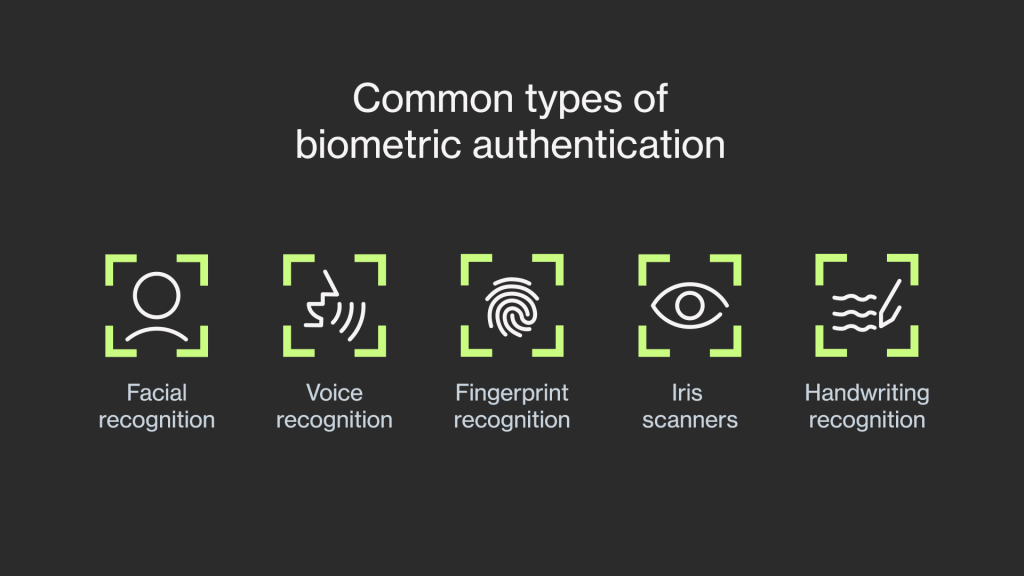
One of the most significant emerging trends in IAM is biometrics. Biometrics uses unique physical or behavioral characteristics, such as fingerprints or facial recognition, to authenticate individuals. Utilizing biometrics for authentication has several advantages over traditional methods such as passwords. For example, biometrics are unique to each individual and cannot be easily lost, forgotten, or stolen like a password. Additionally, biometrics are difficult to imitate, which makes it more difficult for attackers to impersonate someone else.
However, the use of biometrics also has some limitations. For example, biometric data can be compromised; once compromised, it cannot be changed. Additionally, some individuals may have difficulty providing biometric data, such as those with disabilities.
Another emerging trend in IAM is multi-factor authentication (MFA). MFA adds an extra layer of security by requiring users to provide multiple forms of identification before being granted access to an account. This can include something the user knows, such as a password, something the user has, such as a hardware key, and something the user is, such as a fingerprint. MFA is more secure than traditional single-factor authentication, making it more difficult for attackers to access an account.
The use of blockchain technology is also expected to have an impact on the future of IAM. Blockchain is a decentralized, distributed ledger that can secure and validate transactions. In IAM, blockchain can be used to create secure and tamper-proof records of identities and commerce, which can be used to detect and prevent fraud. Blockchain can also create secure networks, making it more difficult for attackers to access sensitive information.
In conclusion, The future of Identity and Access management is expected to be impacted by emerging technologies such as biometrics, multi-factor authentication, and blockchain. Biometrics, such as facial recognition and fingerprints