
"Building a Smart Future: IoT and WSN in the Internet of Things Era"
IoT (Internet of Things) and WSN (Wireless Sensor Network) are two technologies that have been gaining much attention in recent years. Both of them are related to the concept of connecting devices and allowing them to communicate and share data. However, they have some significant differences regarding their characteristics, applications, and use cases.
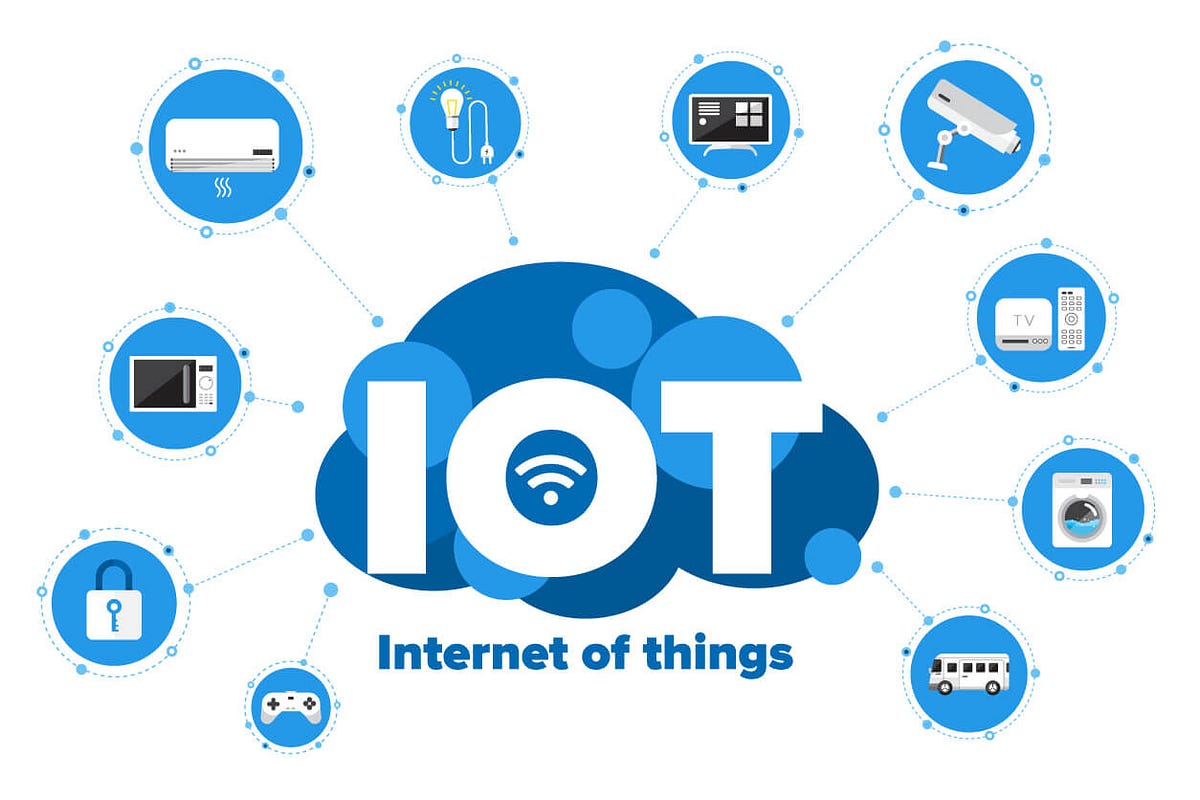
As the name suggests, IoT refers to the interconnectedness of devices through the internet. This can include smartphones, smart home devices, and industrial equipment. These devices can collect and transmit data and can also be controlled remotely. IoT is all about connecting devices to the internet and making them smarter by allowing them to communicate and share data. IoT is used in various applications such as smart homes, healthcare, transportation, and industrial automation.
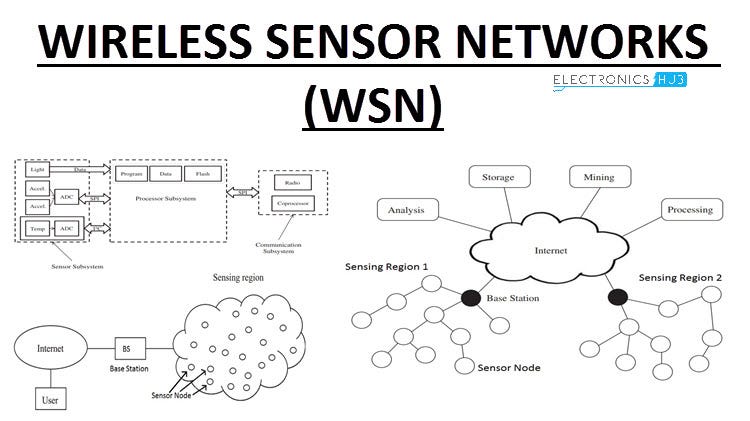
WSN, on the other hand, refers specifically to networks of small, low-power devices that collect and transmit data wirelessly. These devices, called sensors, are often used in industrial and environmental monitoring applications. WSNs are typically composed of a large number of sensor nodes that are distributed over a wide area. These nodes are typically battery-powered and are designed to be low-cost and low-power. They collect temperature, humidity, and pressure data and transmit it wirelessly to a central location for further processing.
In summary, IoT is a broader term that encompasses all interconnected devices, while WSN refers specifically to networks of wireless sensors. IoT is more focused on connecting devices to the internet and making them smarter, while WSN is more focused on collecting and transmitting data wirelessly. Both technologies have unique characteristics and use cases and can be used together to create robust solutions.
To conclude, IoT and WSN are both critical technologies that have the potential to revolutionize various industries and make our lives easier. They are used in multiple applications, from smart homes to industrial automation, and their capabilities are constantly evolving. Understanding the differences and similarities between these two technologies is crucial for anyone interested in developing IoT or WSN-based solutions.
