
Malware Analysis: Understanding and Defending Against Malicious Code
As cyber-attacks become more sophisticated and frequent, analyzing and understanding malware are becoming increasingly crucial for organizations of all sizes. Malware analysis is the process of identifying, understanding, and defending against malware, and it is a critical part of security operations and incident response.
This blog post will explore the different types of malware analysis, the tools and techniques used in malware analysis, and how malware analysis fits into incident response.
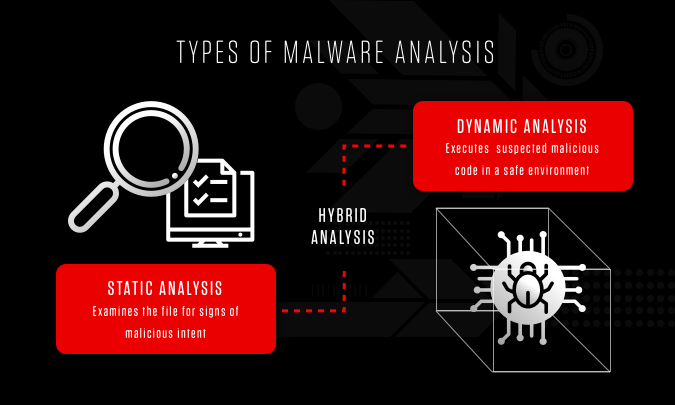
There are three types of malware analysis: static analysis, dynamic analysis, and reverse engineering.
Static analysis is analyzing the code of a program or file without executing it. This can be done using tools such as a disassembler or a hex editor.
Dynamic analysis is executing a program or file and observing its behavior. This can be done using tools such as a sandbox or a virtual machine.
Reverse engineering is the process of analyzing a program or file to understand its inner workings. This is often done to identify vulnerabilities or create a patch.
One of the essential tools for malware analysis is disassembly. A disassembler converts machine code into assembly code, making it easier to understand the inner workings of a program. Other necessary tools include debuggers, which allow you to step through the execution of a program and observe its behavior, and sandboxes, which will enable you to execute a program in a controlled environment safely.
The malware analysis begins with initial triage, where the analyst collects and examines the malware sample. Next, the analyst performs static analysis to understand the malware’s structure and function. Dynamic analysis is then used to observe the malware’s behavior. Finally, the analyst conducts reverse engineering to understand the malware’s inner workings and identify vulnerabilities.
In addition to understanding and defending against malware, malware analysis is integral to incident response. Malware analysis can be used to identify the source and scope of a security incident and to develop a plan for containing and mitigating the incident.
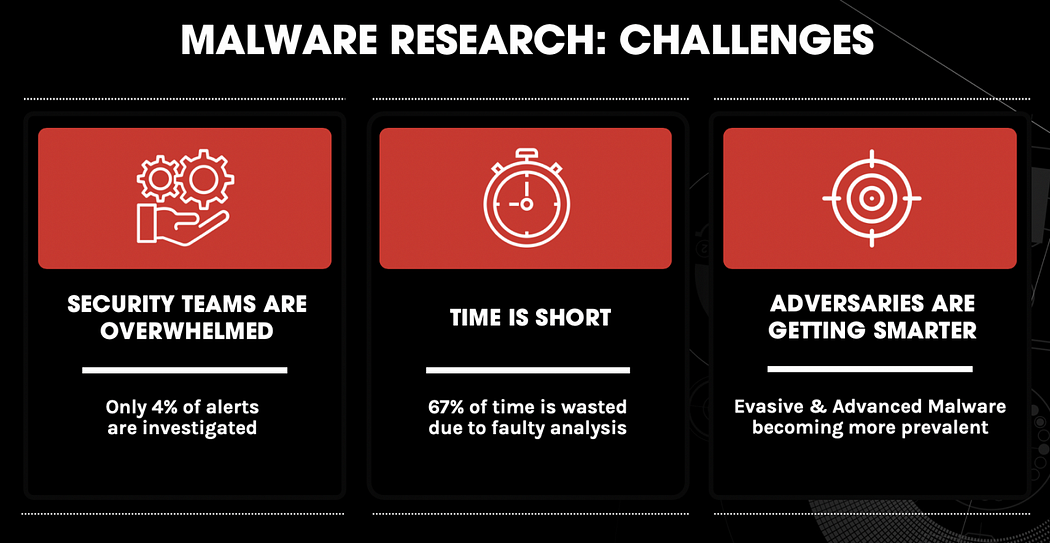
Malware analysis is constantly evolving; new techniques and tools are continually being developed, so it’s essential to stay up-to-date with the latest developments in the area. Additionally, malware authors are always looking for new ways to evade detection and analysis, so it is essential to be familiar with the latest obfuscation and anti-debugging techniques.
In conclusion, malware analysis is essential for understanding and defending against malicious code. It is an integral part of security operations and incident response. It requires technical skills, knowledge of malware analysis tools and techniques, and a solid understanding of the malware landscape.