"Mind Over Machine: The Potential of Brain-Computer Interfaces in Neuro-prosthetics"
One unique technology that has been gaining attention in recent years is brain-computer interfaces (BCI). A brain-computer interface is a system that allows communication between the brain and an external device, such as a computer or a robotic arm, without muscle movement.
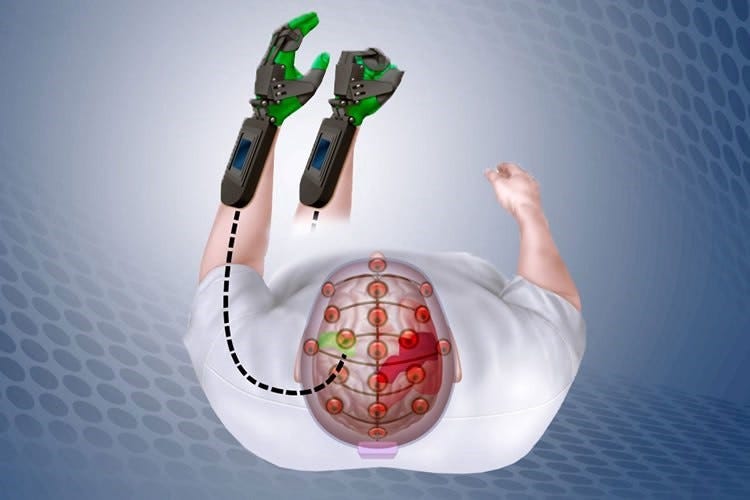
BCIs can be divided into two main categories: invasive and non-invasive. Invasive BCIs involves surgically implanting electrodes directly into the brain, while non-invasive BCIs use techniques such as electroencephalography (EEG) to measure brain activity from the scalp.
One of the best applications of BCI technology is neuro-prosthetics, devices that can replace or supplement the functions of a damaged or lost body part. For example, a BCI-controlled robotic arm Can allow a person with paralysis to perform tasks that would otherwise be impossible. BCI technology also has potential in other areas, such as gaming, communication, and control of assistive technology.
Another application of BCI technology is in the area of brain-machine learning. This technique allows a machine to learn from the brain’s activity rather than through programmed instructions. This has the potential to revolutionize the field of AI, as devices that can learn from the brain’s action may be able to make connections and draw conclusions in ways that traditional AI systems cannot.
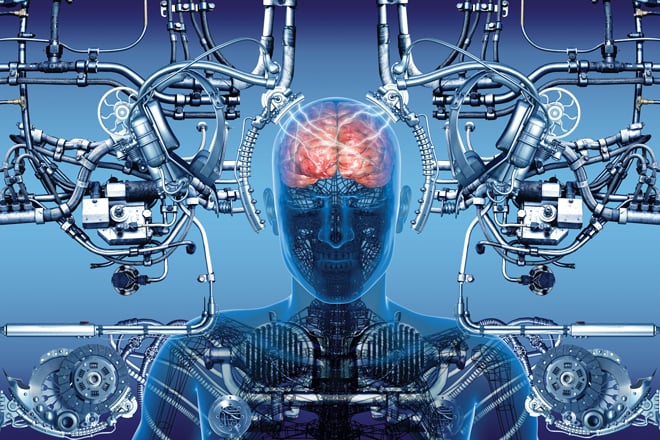
BCI technology is still in its early stages of development, and many technical challenges must be overcome before it can be widely adopted. One of the main challenges is that the brain is a highly complex organ, and it is difficult to decode the neural signals used for communication. Additionally, BCI systems require much computational power and sophisticated algorithms to process large amounts of brain-generated data.
Overall, brain-computer interfaces are a unique and exciting technology with many potential applications. However, it is essential to remember that it’s still in the early stages and has a long way to go before it becomes a fully functional technology.
