“Navigating the World of OSINT: A Beginner’s Guide”
Open Source Intelligence (OSINT) collects, analyzes, and disseminates publicly available and legally obtained information. The goal of OSINT is to provide valuable insights and intelligence that can inform decision-making and support various operations such as security, investigations, and research.
OSINT practitioners gather information from many sources, including traditional media, social media, and government reports. The data collected can be used for various purposes, including threat intelligence, background checks, market research, and news monitoring.
One of the critical principles of OSINT is that the information must be legally obtained and not obtained through hacking or other illegal means. This means that OSINT practitioners must adhere to strict ethical guidelines and be aware of any laws and regulations that may apply to their work.
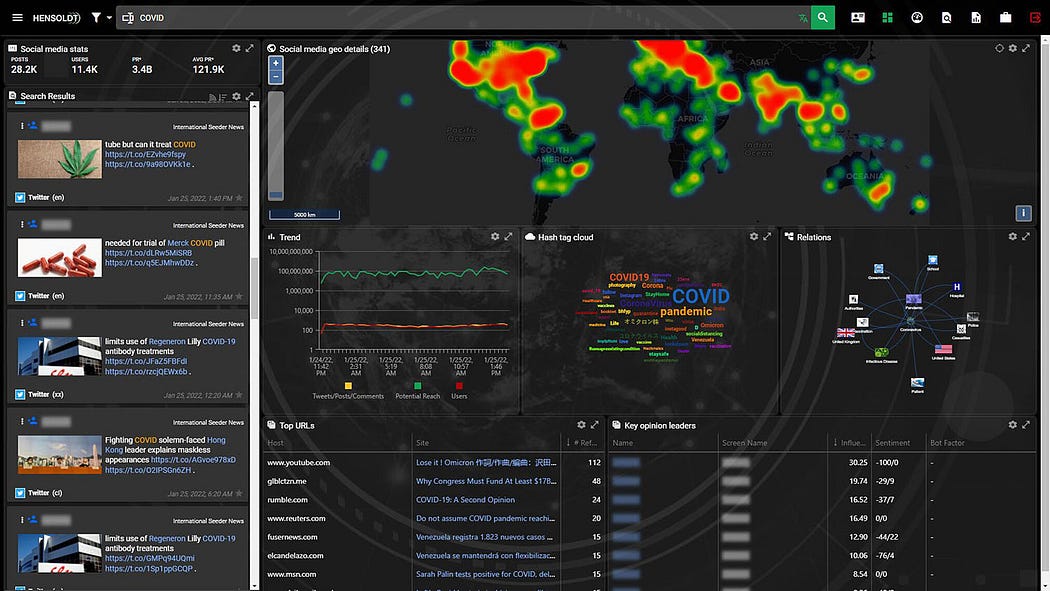
Another essential principle of OSINT is the need to verify the accuracy and reliability of the Information collected. This can be complex and time-consuming, as some sources may need to be more reliable or biased. OSINT practitioners must use various techniques to verify the information, including fact-checking, cross-referencing, and consulting with experts.
In addition to gathering and analyzing data, OSINT practitioners must also share the information they collect with relevant stakeholders promptly and appropriately. This can include government agencies, law enforcement, private companies, and other organizations.
One of the essential aspects of OSINT is the protection of sources. This means that OSINT practitioners must protect the identity of their heads and not reveal any information that could compromise their safety or anonymity. They should be able to preserve their sources’ trust and continue gathering information from them in the future.
The use of OSINT has increased significantly in recent years, driven partly by the internet and social media rise. These platforms have made accessing a wide range of information more accessible. Still, they have also introduced new challenges, such as the need to filter through large amounts of data and the risk of misinformation.
To succeed in the OSINT field, it is essential to understand the various sources of information available and the methods used to analyze and disseminate that information. This may include knowledge of search engines, social media platforms, databases, and programming languages.
In conclusion, OSINT is a powerful tool that can provide valuable insights and intelligence to organizations and individuals. However, it is crucial to use OSINT responsibly and ethically to verify the information collected is accurate and reliable. OSINT practitioners must follow strict ethical guidelines and be aware of any laws and regulations that may apply to their work.