“The Future of Authentication: Moving Beyond Passwords with Hardware Keys”
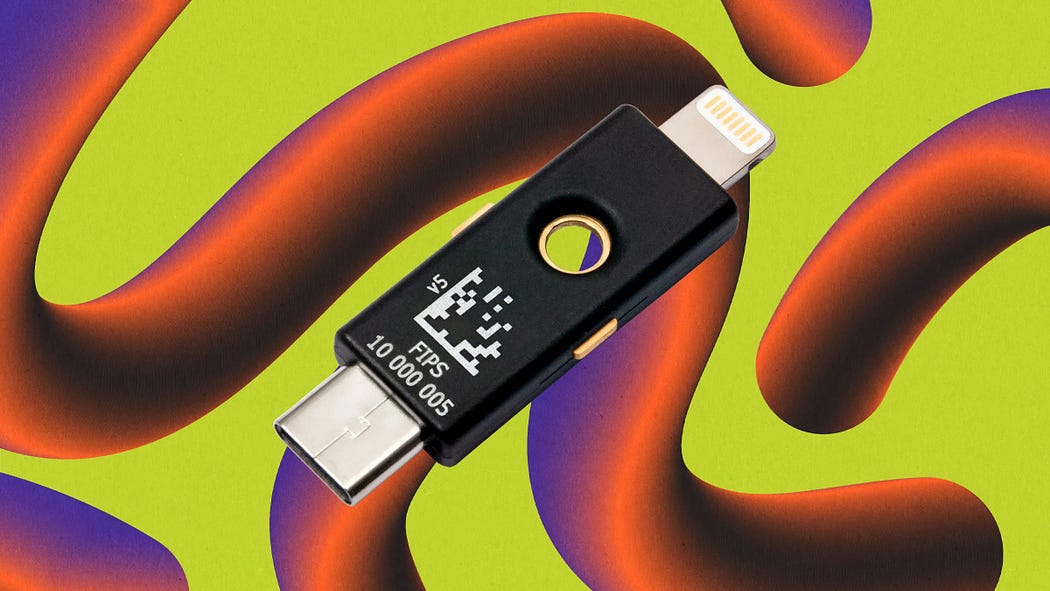
Passwords have been the primary authentication method for decades. Still, as cyber threats evolve, it’s becoming clear that relying solely on passwords is no longer enough to protect our online accounts and personal information. This is where multifactor authentication (MFA) comes in. MFA adds an extra layer of security by requiring users to provide multiple forms of identification before being granted access to an account. One popular form of MFA is the use of a hardware key.
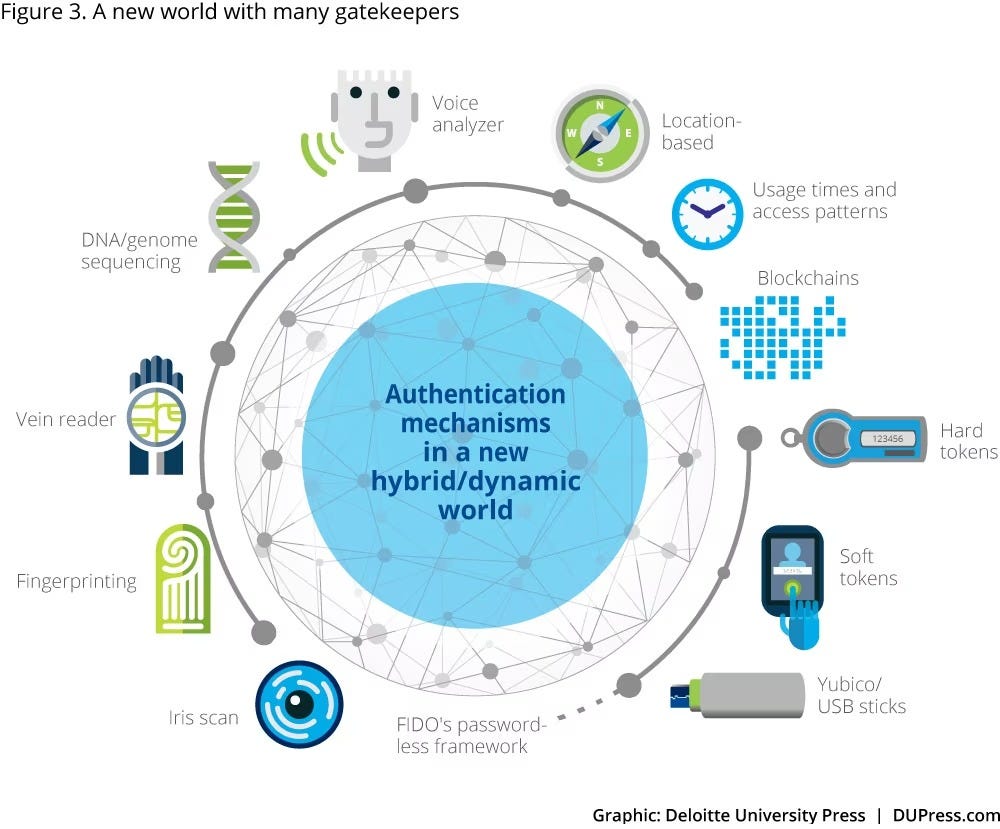
A hardware key, also known as a security key, is a physical device used in addition to a password to provide MFA. These keys come in various forms, such as USB drives, smart cards, and even key fobs. They offer a unique code or cryptographic signature that verifies the user’s identity. This code is generated by the key and sent to the server, confirming it before granting access to the user.
Hardware keys provide several benefits over other forms of MFA. One of the main benefits is that they are considered more secure than other forms of MFA, such as one-time codes sent via text message or email. This is because hardware keys are much more challenging to phish or spoof, as they require physical possession of the key. Additionally, hardware keys are less susceptible to malware or keyloggers, which can steal passwords or one-time codes.
Another benefit of hardware keys is that they can be used across multiple accounts and services. Users only need to carry one device with them, rather than remembering multiple one-time codes or using a different one for each account. This also makes it more convenient for users to use MFA.
However, hardware keys also have some limitations. One of the main limitations is that they can be lost or stolen; if this happens, the user will not be able to access their account. Additionally, hardware keys can also be damaged, which would also prevent the user from accessing their account.
In conclusion, while passwords have been the primary authentication method for decades, they are no longer enough to protect our online accounts and personal information. Multifactor authentication, particularly a hardware key, provides an extra layer of security by requiring users to provide multiple forms of identification. Hardware keys are considered more secure than other forms of MFA and can be used across multiple accounts and services. However, it’s essential to keep the key safe and have a backup plan in case it is lost or damaged.